Crypto wallets explained: custodial vs self-custody
The most important question in crypto is not which coin you hold. It is who holds the key that can move it.
On this page
- What does a crypto wallet actually hold?
- What is the difference between custodial and self-custody wallets?
- What are hot and cold wallets?
- How does a recovery phrase protect a wallet?
- What mistakes do beginners make with crypto wallets?
- Which type of wallet should a beginner start with?
- Questions readers ask
- Sources
- A crypto wallet stores the private keys that control your crypto; the coins themselves stay on the blockchain.
- With a custodial wallet, a company holds the keys for you; with self-custody, you hold them yourself.
- The SEC warns that a custodian can be hacked, shut down or go bankrupt, and that self-custodied keys can be lost, stolen or damaged.
- Hot wallets are connected to the internet; cold wallets are kept offline, trading convenience for protection from online attacks.
- A recovery (seed) phrase of 12 to 24 words can rebuild your wallet, so anyone who sees it can take your funds.
A crypto wallet is software or a device that stores the private keys controlling your crypto. In a custodial wallet, such as an exchange account, a company holds those keys for you. In a self-custody wallet, you hold them yourself, along with full responsibility if they are lost or stolen.
What does a crypto wallet actually hold?
The name is misleading. Your bitcoin or ether never sits inside the wallet app; it is recorded on the blockchain. The SEC's investor site explains that crypto wallets store private keys, not the assets themselves. A private key is a secret number that lets you sign transactions. Whoever holds it can move the funds.
ethereum.org makes the same point from the other side: wallet providers do not have custody of your funds; they give you a window onto your account and a way to sign. Lose the wallet app and you can restore access elsewhere, as long as you still have the keys or the recovery phrase.
NIST's blockchain overview spells out the stakes. Wallets store private keys, public keys and addresses. If a private key is lost, the assets it controls are effectively lost too. If it is stolen, the thief can sign transfers that cannot be undone. Learn more in our entry on the private key.
What is the difference between custodial and self-custody wallets?
Every wallet answers one question: who holds the private keys? The SEC's December 2025 investor bulletin on custody lays out the trade-off.
| Custodial (third-party) | Self-custody | |
|---|---|---|
| Who holds the keys | The platform, such as an exchange | You |
| Forgot your password? | Usually recoverable through the company | Only your recovery phrase can restore access |
| Main risk | The custodian is hacked, shuts down or goes bankrupt | Your keys are lost, stolen, damaged or hacked |
| What you rely on | The company's security, honesty and solvency | Your own security habits |
| Good for | Beginners who want account recovery and simple trading | People who want direct control and can manage backups |
Neither is automatically safer. The SEC bulletin notes that with self-custody you may permanently lose access if your wallet is lost or hacked, and that with a third-party custodian you may lose access if it fails. Choose the risk you are better equipped to manage.
What are hot and cold wallets?
The second question is whether the keys touch the internet.
- Hot wallets are connected to the internet: phone apps, browser extensions, desktop apps and exchange accounts. The SEC notes they are convenient but exposed to cyberthreats.
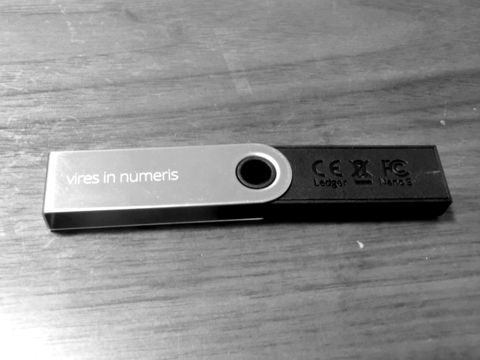
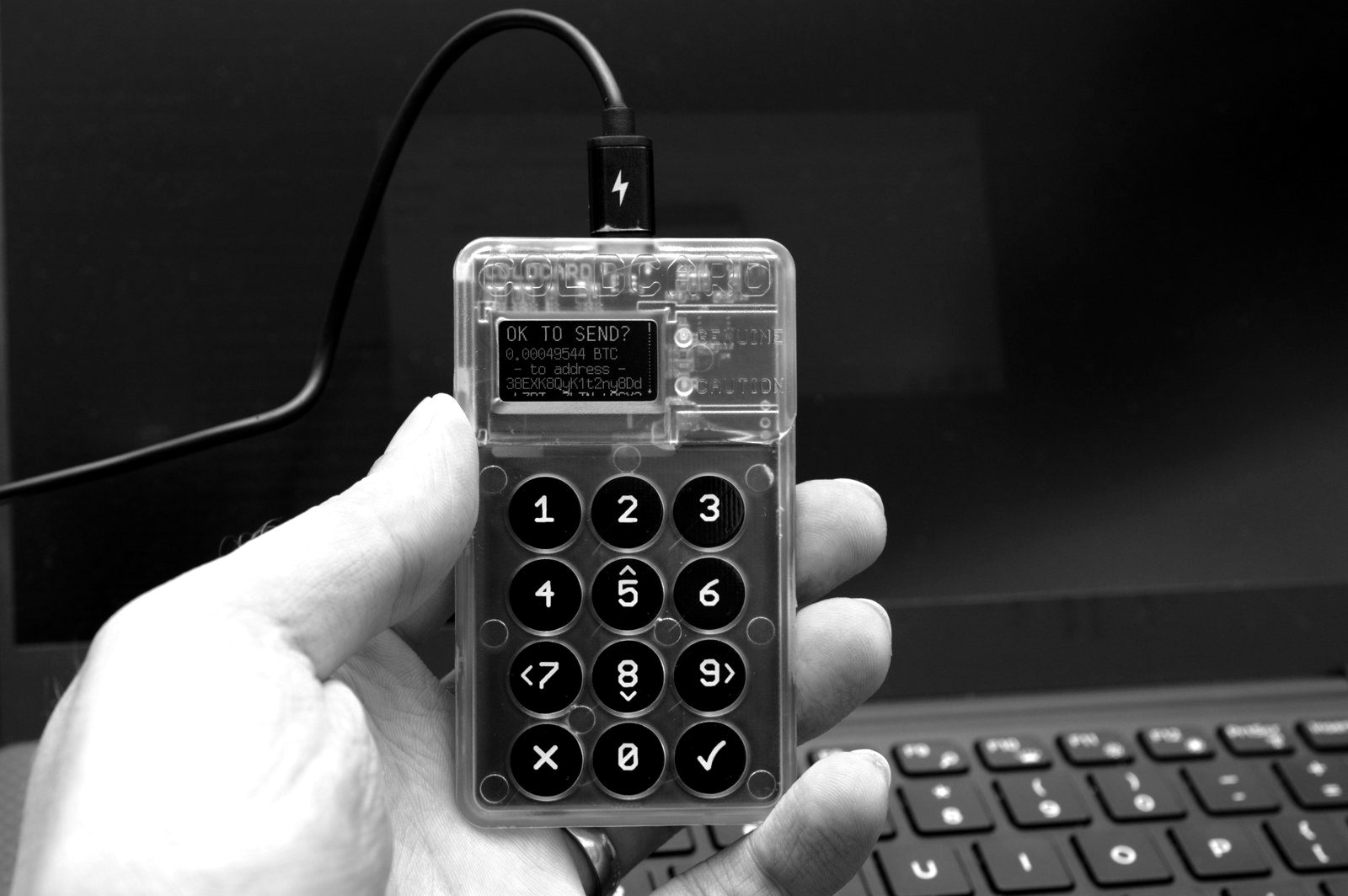
- Cold wallets keep keys offline, typically on a physical device, but the SEC's examples even include a piece of paper. They are much harder to attack remotely but can be lost, damaged or stolen.
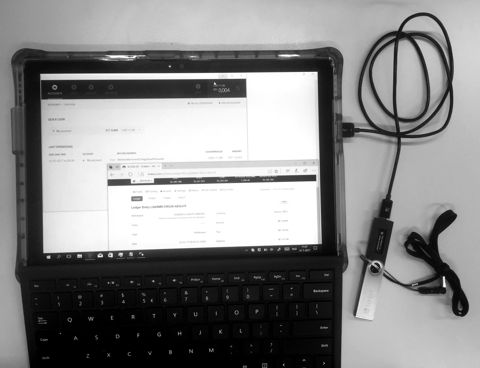
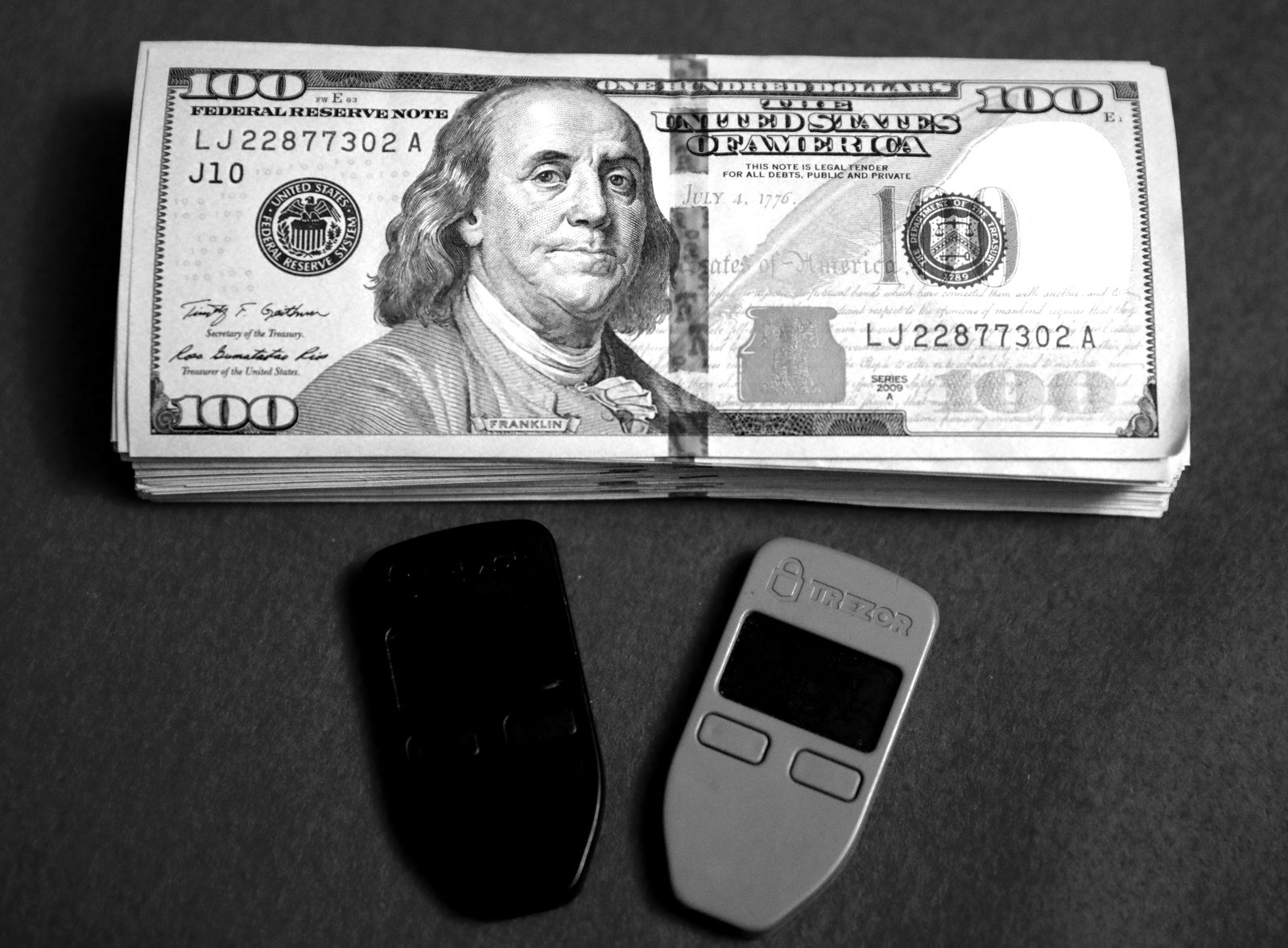
Hardware wallets are the most common cold option. ethereum.org lists hardware, mobile, browser, browser extension and desktop wallets as the main types. We compare them in detail in hardware vs software wallets, and the offline approach in cold storage.
How does a recovery phrase protect a wallet?
Most self-custody wallets show you a recovery phrase, also called a seed phrase, when you set them up. A widely used standard, BIP-39, turns the wallet's random seed into a list of ordinary words. It allows 12, 15, 18, 21 or 24 words, drawn from a fixed list of 2,048. Type the same words into a compatible wallet and it rebuilds the same keys.
So the phrase is both your backup and your biggest weak point. Our full guide to seed phrases covers storage in depth.
Write it down by hand when the wallet shows it. ethereum.org advises not storing it on a computer.
Check every word against the screen, in order and correctly spelled, before you send any funds to the wallet.
Store it offline, somewhere safe from fire, water and curious visitors.
Never share it. No real support team, exchange or regulator will ever ask for it.
What mistakes do beginners make with crypto wallets?
- Leaving everything on an exchange without thinking about it. That is a custodial choice with custodial risks, and the FTC notes crypto accounts are not FDIC-insured.
- Screenshotting the recovery phrase. Photos sync to the cloud and can be stolen. Treat the phrase like cash, not like a password.
- Sending on the wrong network. The same token can live on several blockchains; the receiving wallet must support the network you send on.
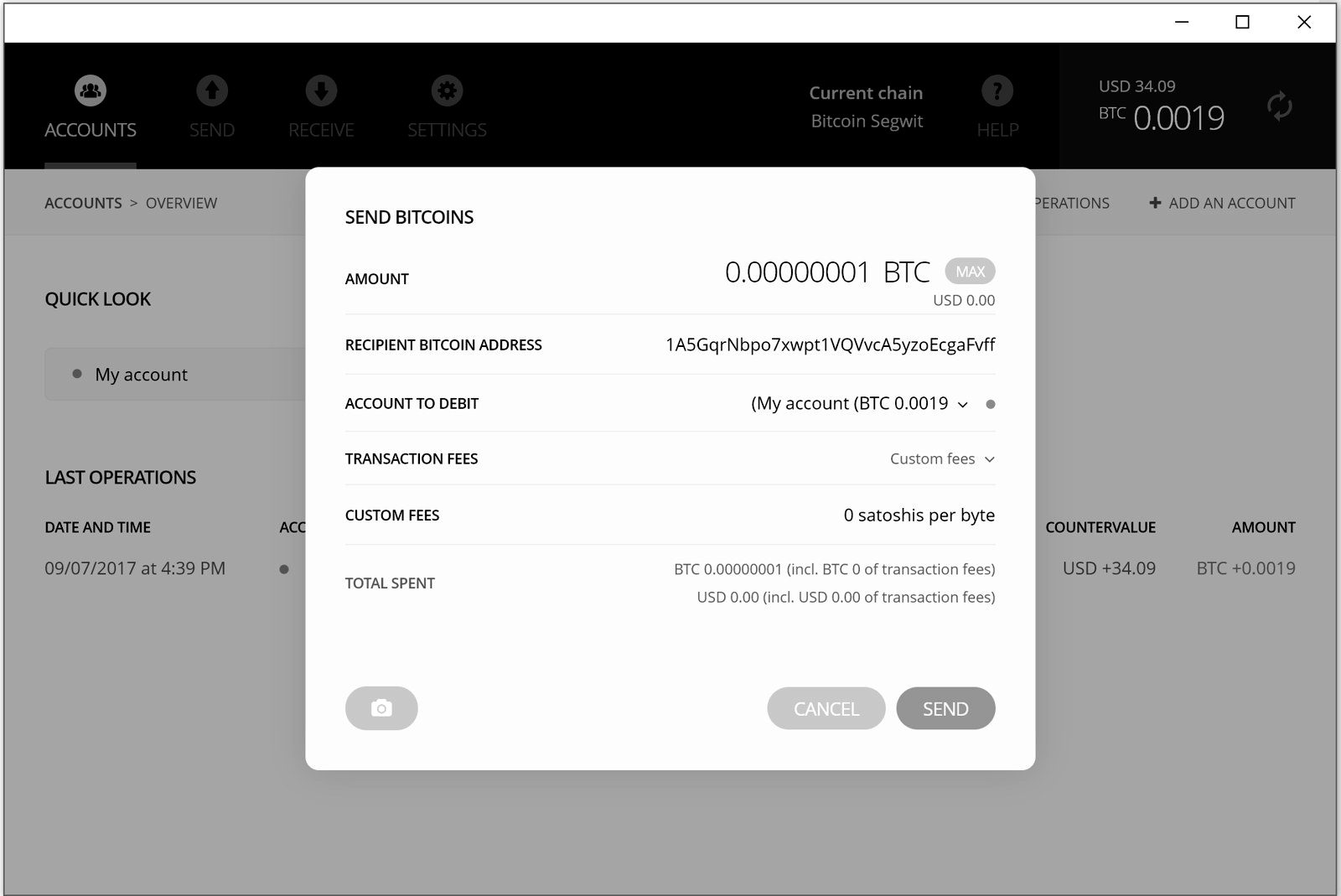
- Skipping a test transaction. Send a small amount first, confirm it arrives, then send the rest.
- Ignoring phishing. The SEC lists phishing as a key threat. Bookmark the real site and turn on two-factor authentication for custodial accounts.
Which type of wallet should a beginner start with?
There is no universal answer, and we do not recommend specific products. A practical way to decide is to match the wallet to the job:
- Small amounts you trade often: convenience matters, so a reputable custodial account or a hot wallet may fit, with the risks above in mind.
- Larger amounts you plan to hold: the SEC's bulletin and ethereum.org both describe offline storage as better protected from online attacks, provided you can manage the backups carefully.
- Any amount: check that a custodial platform is registered with the relevant regulator, as shown in how to check if a platform is registered.
Many people use both: a custodial account for buying and selling, and a self-custody wallet for long-term holdings.
Questions readers ask
Can I lose crypto if I lose my phone?
Not if you still have your recovery phrase: you can restore the wallet on a new device. If you lose both the device and the phrase, a self-custody wallet usually cannot be recovered.
Is an exchange account a wallet?
It works like a custodial wallet. The exchange holds the keys and shows you a balance. You rely on the exchange to honor withdrawals.
Is a hardware wallet completely safe?
It removes most online attack paths, but it can still be lost, damaged or stolen, and it cannot protect you if you reveal your recovery phrase or approve a malicious transaction.
Do I need a different wallet for each coin?
Not always. Many wallets support several networks, but each address belongs to a specific network. Check support before sending.
A crypto wallet is a key manager, and the key decides who controls the funds. Custodial wallets trade control for convenience and recovery; self-custody trades convenience for control and full responsibility. Whichever you pick, protect the recovery phrase and send a small test first.
Sources
- US Securities and Exchange Commission, Crypto Asset Custody Basics for Retail Investors – Investor Bulletin (2025)Primary source
- ethereum.org, Ethereum wallets (2025)Primary source
- Bitcoin Improvement Proposals, BIP-39: Mnemonic code for generating deterministic keys (2013)Primary source
- National Institute of Standards and Technology, NIST IR 8202: Blockchain Technology Overview (2018)Primary source
- US Securities and Exchange Commission, Crypto Assets (Investor.gov spotlight) (2025)Primary source
- US Federal Trade Commission, What To Know About Cryptocurrency and Scams (2024)Primary source
Educational content only — not financial, investment, legal or tax advice. Crypto-assets are high-risk and you could lose all the money you put in. Rules differ by country; check with your national regulator. See our risk disclosure and editorial policy.
Read next
- Security & Privacy · Beginner
Seed phrases explained
What the 12 or 24 recovery words actually encode, and how to keep them out of reach.
- Security & Privacy · Beginner
Hardware vs software wallets
Online keys versus offline keys: the trade-off between convenience and exposure, explained.
- Glossary · Definition · Beginner
Private key
The secret that signs transactions, how it links to addresses, and why it cannot be reset.
- Crypto Basics · Beginner
How crypto transactions work
One payment from signature to confirmed block, with the Bitcoin and Ethereum differences explained.