What is a pig butchering scam?
It starts with a wrong-number text or a friendly match and ends with a platform that will not let you withdraw. Every step in between is scripted.
On this page
- Where does the name pig butchering come from?
- How does a pig butchering scam unfold?
- Who runs pig butchering scams?
- How can you tell a real adviser from a pig butchering setup?
- What mistakes keep victims in the scam longer?
- What should you do if you think it is happening to you?
- Questions readers ask
- Sources
- Pig butchering is a long-con investment scam: weeks or months of friendly or romantic contact, then a fake crypto platform that shows invented profits.
- FinCEN says the scams are largely run from compounds in Southeast Asia, where many of the people typing are themselves trafficking victims.
- The US Treasury says Americans lost at least $10 billion to Southeast Asia-based scam operations in 2024.
- The scheme typically ends the same way: withdrawals are blocked until you pay taxes, fees or penalties, and then contact stops.
- The FTC's simplest rule applies: never mix online dating with investment advice.
A pig butchering scam is a crypto investment fraud in which a stranger builds trust over weeks, often as a friend or romantic interest, then steers the victim to a fake trading platform. The platform shows growing profits until the victim tries to withdraw, pays invented fees, and loses everything.
Where does the name pig butchering come from?
The term is a translation of the Chinese phrase sha zhu pan. In its 2023 alert to US banks, the Financial Crimes Enforcement Network (FinCEN) explains the metaphor: scammers call their targets "pigs", spend time "fattening" them with attention, a believable identity and the promise of a partnership, then "butcher" them once their savings have been taken.
However it is labelled, the scheme is a cross between a fake investment platform and a romance scam, and it relies on time. Unlike a phishing text that wants your password today, a pig butchering contact may chat for weeks before money is ever mentioned.
How does a pig butchering scam unfold?
FinCEN describes a typical sequence. The FBI's 2025 IC3 report and the FTC describe the same pattern from victims' complaints.
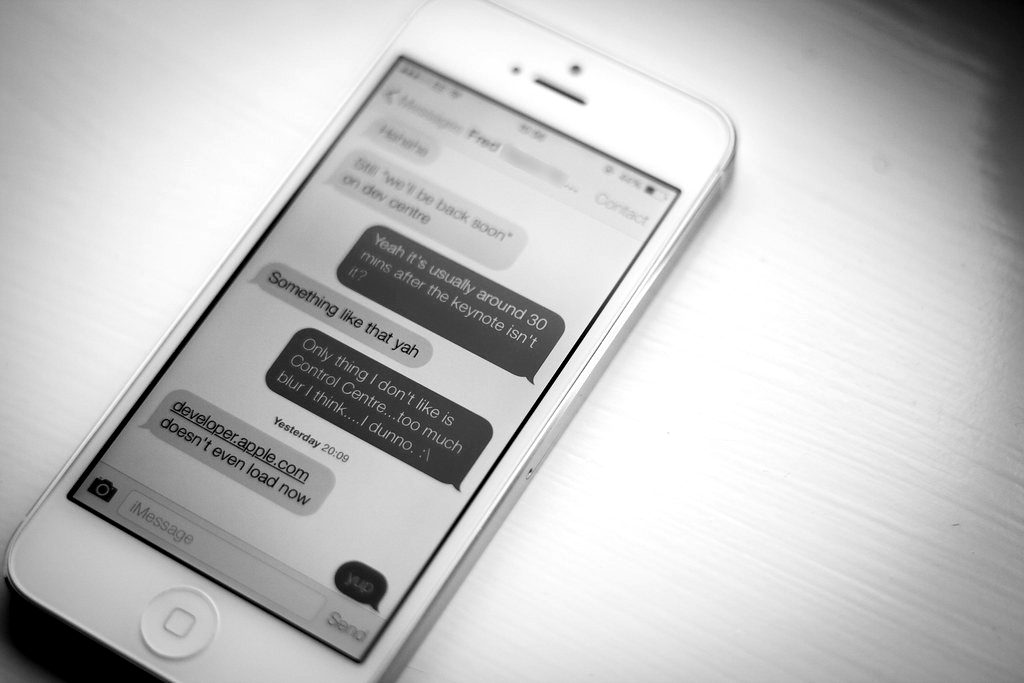
The opener. A "wrong number" text, a social media message, a dating match or an online ad. The FTC found that nearly 60% of people who lost money to a romance scam in 2025 said it began on social media.
The friendship. Regular, warm messages over days or weeks. FinCEN notes the contact may claim to be an investor or money manager. The conversation moves to a private messaging app.
The tip. The new friend mentions, almost casually, that they trade crypto or gold with help from a mentor or an "insider" group, and offers to show you how.
The platform. You open an account on a website or app that looks professional, sometimes downloaded from a link rather than an official app store. Your balance rises fast.
The squeeze. You are encouraged to deposit more, sometimes with a loan. When you try to withdraw, the platform demands taxes, fees or penalties first. Then the contact disappears.

Who runs pig butchering scams?
FinCEN says the scams are run by criminal organizations based in Southeast Asia, from large scam compounds. It also notes that a significant number of the people who send the messages are likely victims of human trafficking themselves, forced to work against their will.
In October 2025 the US Treasury, together with the UK, took what it called its largest action yet against these networks, sanctioning 146 targets linked to the Prince Group, which it described as a transnational criminal organization running scam compounds in Cambodia. Treasury said Americans lost at least $10 billion to Southeast Asia-based scam operations in 2024, a 66% rise on the year before. On the same day, US prosecutors in Brooklyn announced an indictment of the group's chairman and a forfeiture action covering about 127,271 bitcoin. Those are allegations; the defendant is presumed innocent unless proven guilty.
How can you tell a real adviser from a pig butchering setup?
| Question | Legitimate adviser or platform | Pig butchering setup |
|---|---|---|
| How did contact start? | You sought out a regulated firm | A stranger reached out first, often by "mistake" |
| Who gives the advice? | A registered professional you can look up | A friend, love interest or chat-group "mentor" |
| Where is the platform? | Listed with a regulator; app in official stores | A link they send; FinCEN flags lookalike, newly registered domains |
| What do returns look like? | Ups and downs, with stated risks | Smooth, fast gains; the FTC says only scammers guarantee profits |
| Can you withdraw? | Yes, under published terms and fees | Only after you send more money for "taxes" or "fees" |
Before moving money, check the platform against official registers using how to check if a platform is registered.
What mistakes keep victims in the scam longer?
- Believing the balance. The profits are numbers typed into a fake website. They cannot be withdrawn because they do not exist.
- Paying the release fee. Every "tax", "fee" or "penalty" is another deposit to the scammers.
- Keeping it to yourself. The FBI found that 78% of the 3,780 people it warned under Operation Level Up in 2025 did not realize they were being scammed. An outside view breaks the spell.
- Hiring a recovery service. IC3 recorded $1.4 billion in recovery-scam losses in 2025. Anyone charging upfront to trace or return crypto is the next scam, including fake FBI or IC3 agents.
- Skipping the basic checks. The FTC suggests a reverse image search of a love interest's profile photo and talking to trusted friends or family before sending anything.

What should you do if you think it is happening to you?
Stop sending money, even if you are told it is the last payment. Keep the chat history, wallet addresses and transaction records. Report to the FBI at ic3.gov, typing the address yourself, and to the FTC at ReportFraud.ftc.gov; call your bank and any exchange you used. IC3 says it never contacts people through social media and never charges to recover funds, so treat anyone claiming otherwise as an impostor.
If it is a parent or friend, lead with sympathy. Shame keeps people paying, and FinCEN and Treasury describe these as organized criminal operations, not chance encounters.
Questions readers ask
Is pig butchering the same as a romance scam?
It overlaps. Some cases are romantic, others pose as friendship or business mentoring. The defining feature is the fake investment platform at the end.
How can I check whether a trading platform is real?
Look it up in your regulator's official register yourself, rather than following a link you were sent. FinCEN warns that fake platforms often use misspelled or newly registered domains that mimic real exchanges.
Can money lost to pig butchering be recovered?
Law enforcement sometimes goes after scam proceeds, as in the 2025 Prince Group forfeiture action, but there is no reliable private route. Report quickly and ignore paid recovery offers.
Are the people messaging me criminals or victims?
It can be both. FinCEN says many are likely trafficking victims forced to work in scam compounds. Either way, end contact and report it.
Pig butchering is slow fraud: it buys trust with time, then sells a fantasy balance. The checks that stop it are simple and work at any stage: a stranger who steers your investments is a red flag, a platform you cannot withdraw from is not an investment, and a fee to release your money is the scam itself.
Sources
- Financial Crimes Enforcement Network (US Treasury), FinCEN Alert on Prevalent Virtual Currency Investment Scam Commonly Known as "Pig Butchering" (FIN-2023-Alert005) (2023)Primary source
- US Department of the Treasury, U.S. and U.K. Take Largest Action Ever Targeting Cybercriminal Networks in Southeast Asia (2025)Primary source
- US Attorney's Office, Eastern District of New York, Chairman of Prince Group Indicted for Operating Cambodian Forced Labor Scam Compounds (2025)Primary source
- FBI Internet Crime Complaint Center, 2025 IC3 Annual Report (Internet Crime Report) (2026)Primary source
- US Federal Trade Commission, New FTC Data Show People Have Lost Billions to Social Media Scams (2026)Primary source
- US Federal Trade Commission, What You Need To Know About Romance Scams (2022)Primary source
- US Federal Trade Commission, What To Know About Cryptocurrency and Scams (2025)Primary source
- FBI Internet Crime Complaint Center, FBI Warns of Scammers Impersonating the IC3 (I-072026-PSA) (2026)Primary source
Educational content only — not financial, investment, legal or tax advice. Crypto-assets are high-risk and you could lose all the money you put in. Rules differ by country; check with your national regulator. See our risk disclosure and editorial policy.
Read next
- Security & Privacy · Beginner
Common crypto scams
Fake platforms, giveaways, impostors and recovery scams: how they work and the signs they share.
- Security & Privacy · Intermediate
Phishing and address poisoning
Lookalike sites and lookalike addresses: how both scams work and the habits that defeat them.
- Regulation · Beginner
How to check if a platform is registered
Six steps to verify a broker, adviser or crypto platform in official registers — and spot clone firms.
- Security & Privacy · Beginner
Seed phrases explained
What the 12 or 24 recovery words actually encode, and how to keep them out of reach.